
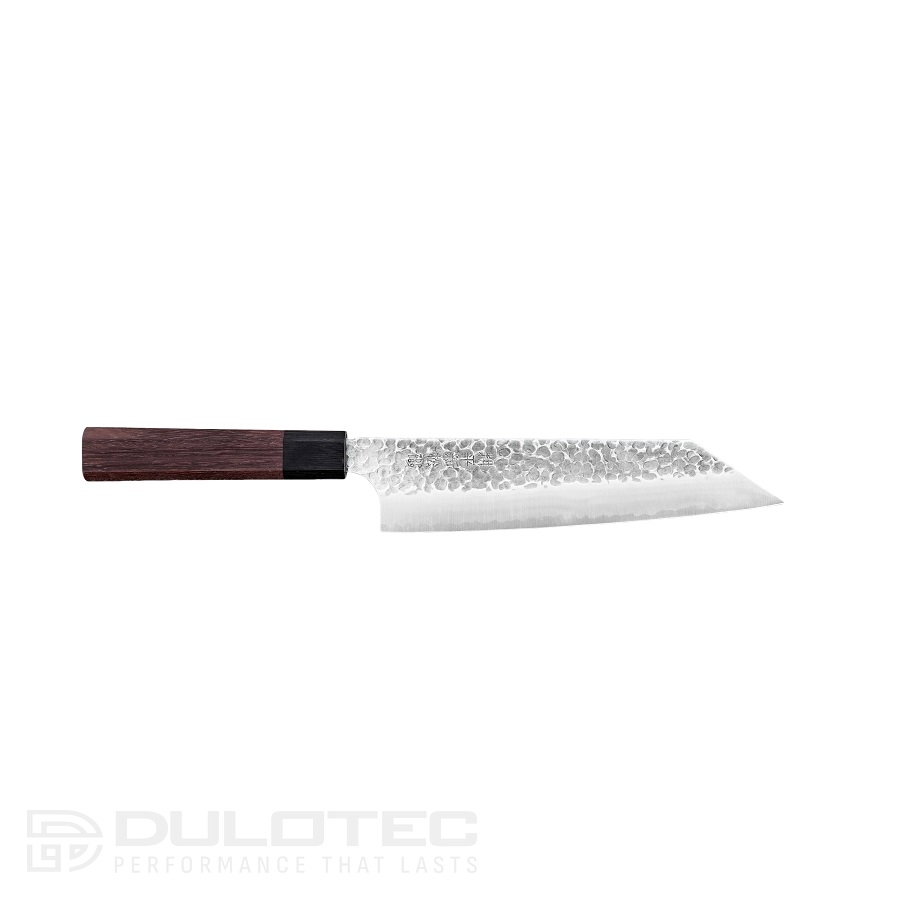
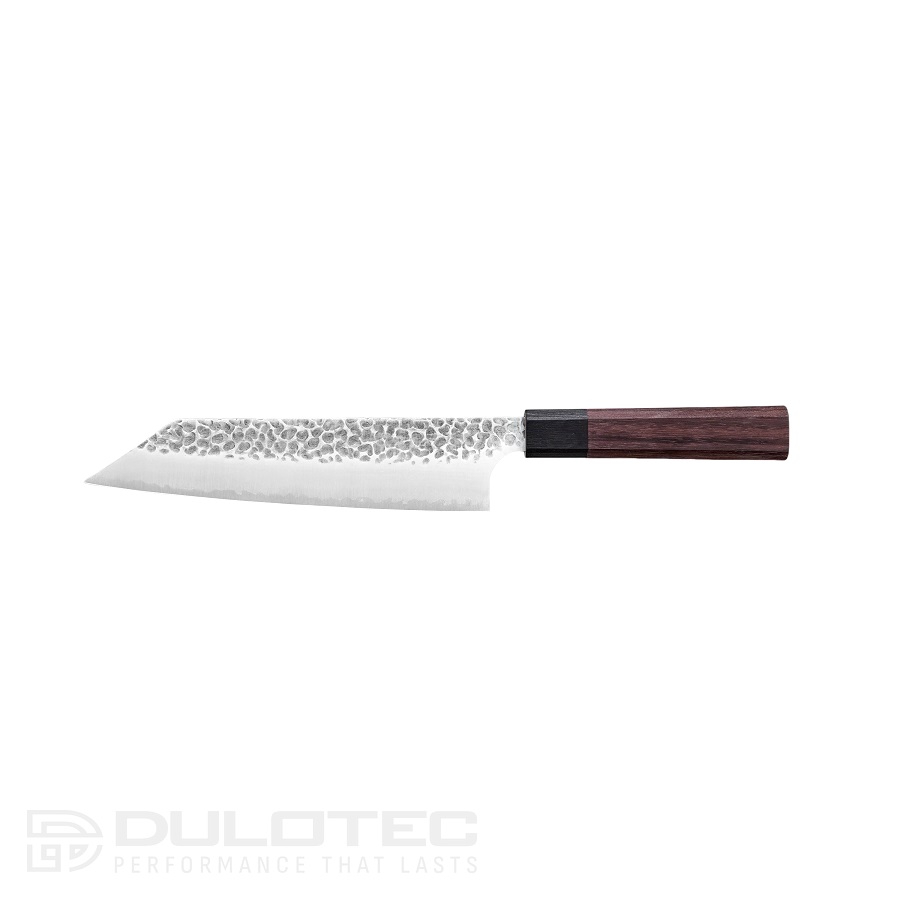
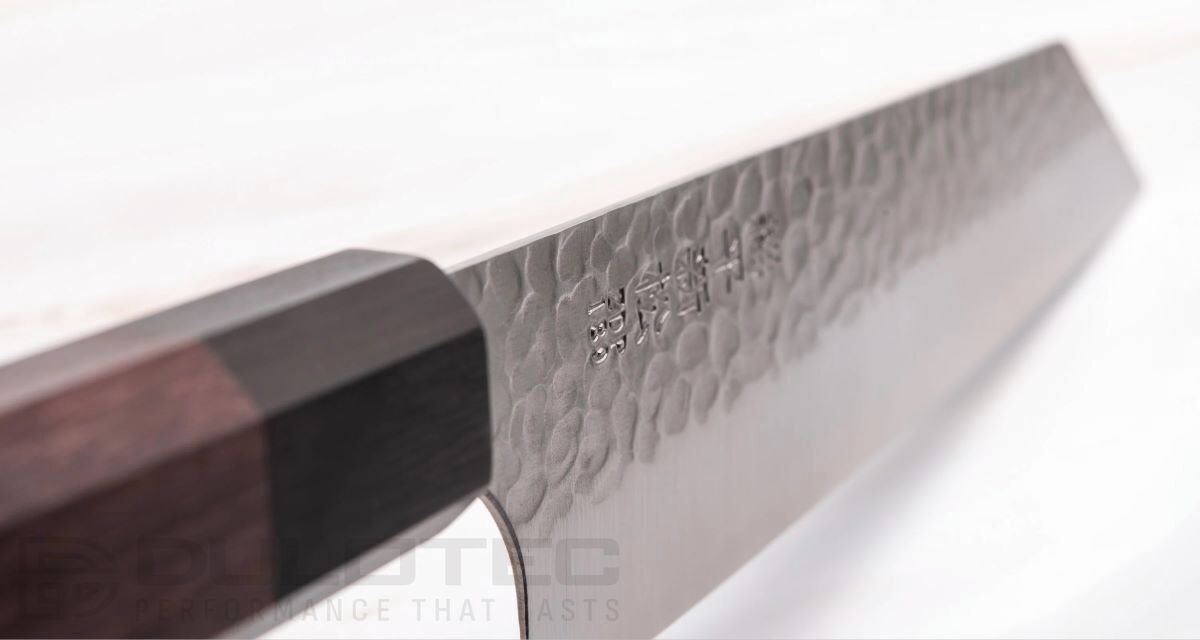
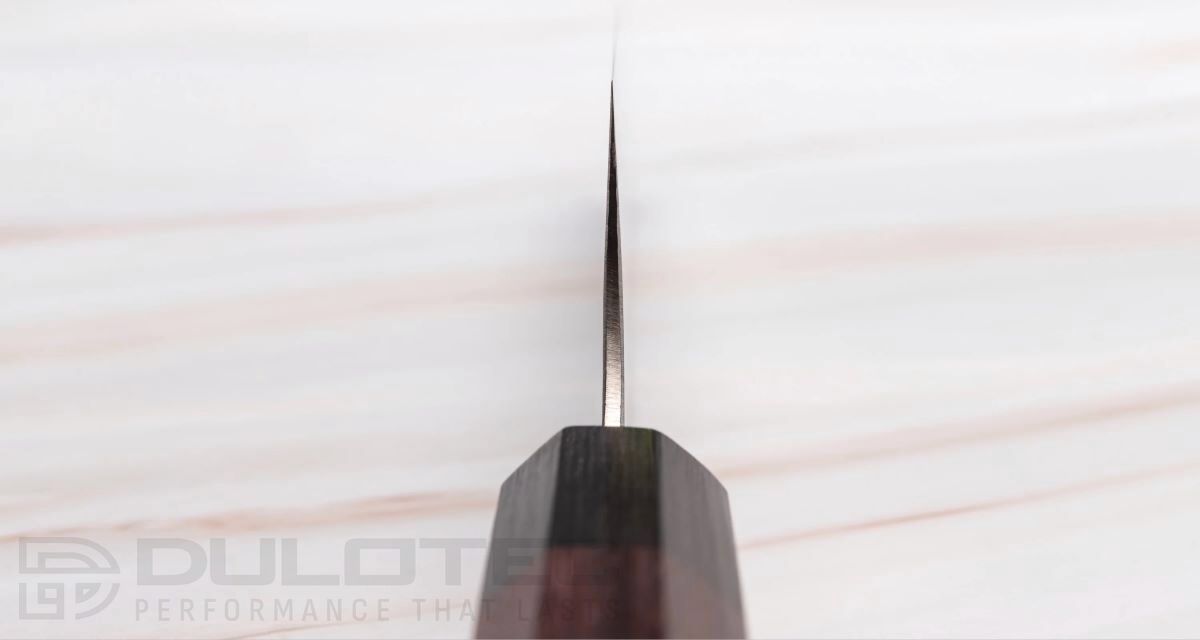
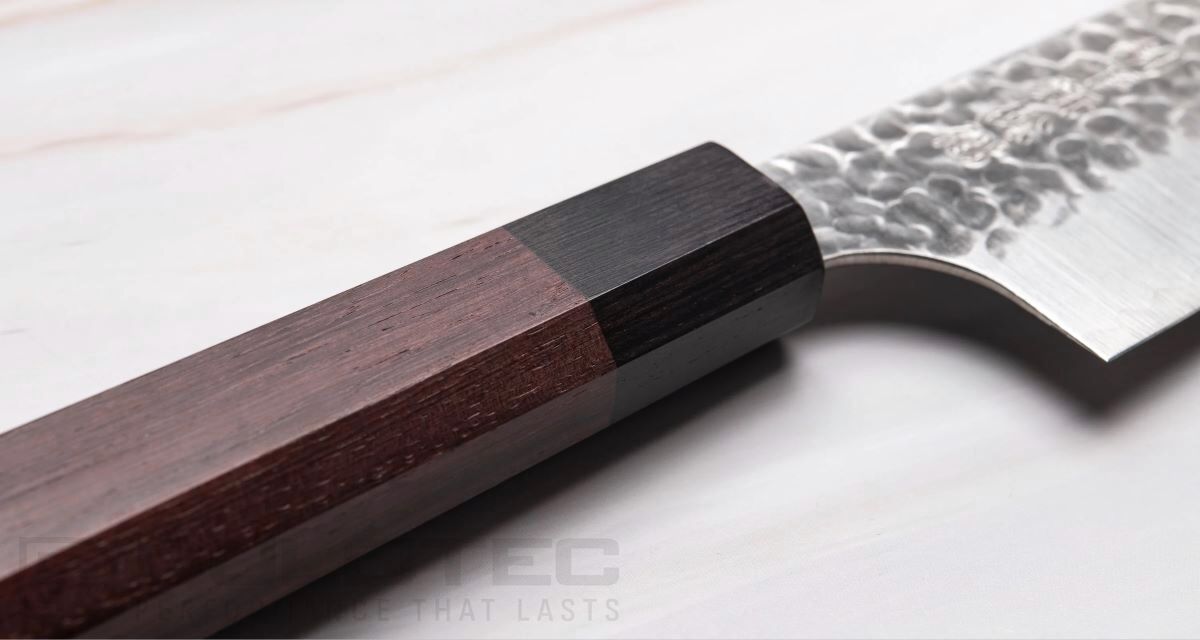
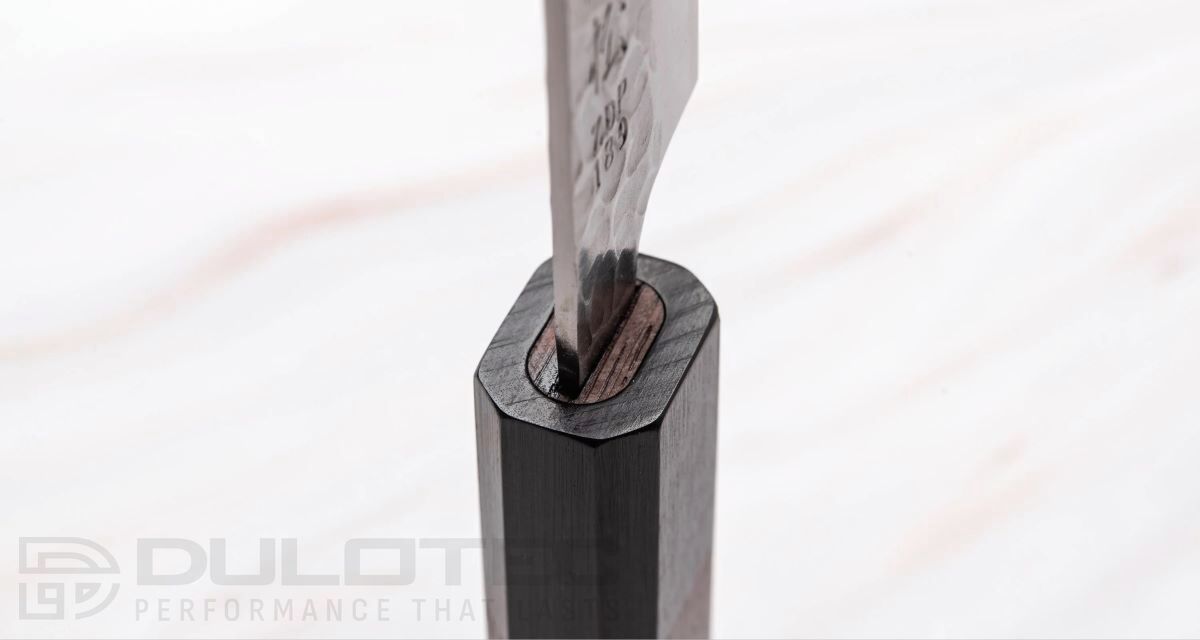
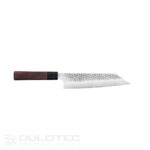
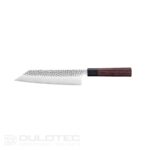
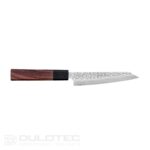
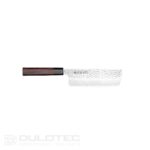

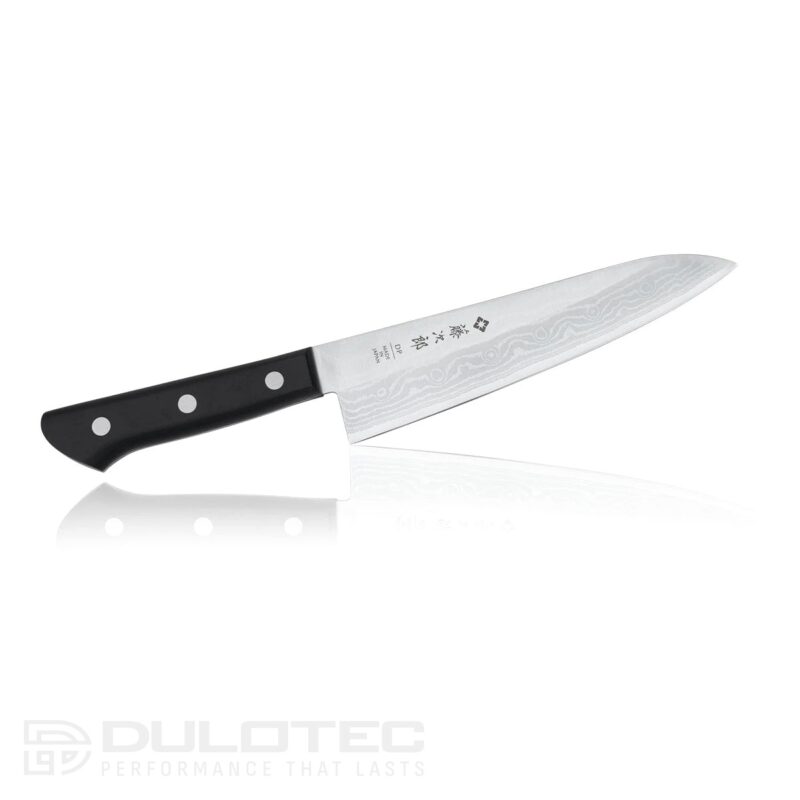
Suncraft Kouhei-Shinmatsu ZDP-189 Bunka Silver Kitchen Knife, 200 mm
305,99 €
- Three-layer blade with a ZDP-189 core
- Octagonal rosewood handle
- Handcrafted in Japan
- Exceptional cutting performance
- Your hand won’t cramp up or get tired during prolonged use
In stock
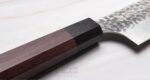
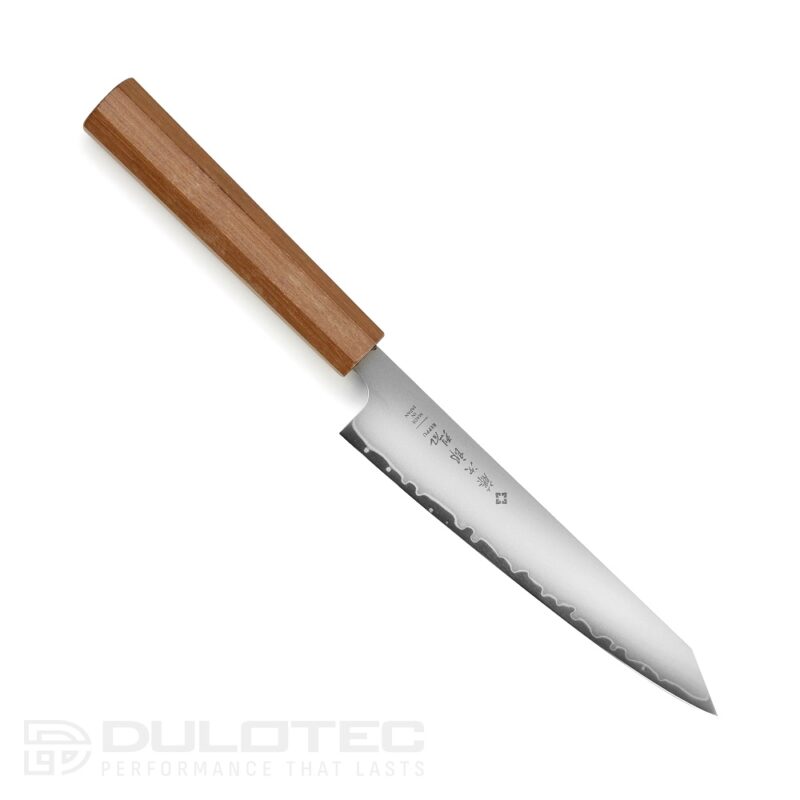
Bunka ZDP-189 Japanese Kitchen Knife – Suncraft Kouhei-Shinmatsu 200 mm
Suncraft is a cutlery manufacturer with decades of tradition in the production of Japanese kitchen knives. The Kouhei-Shinmatsu Bunka Silver 200 mm model is the result of accumulated experience and artisanal craftsmanship passed down from generation to generation.
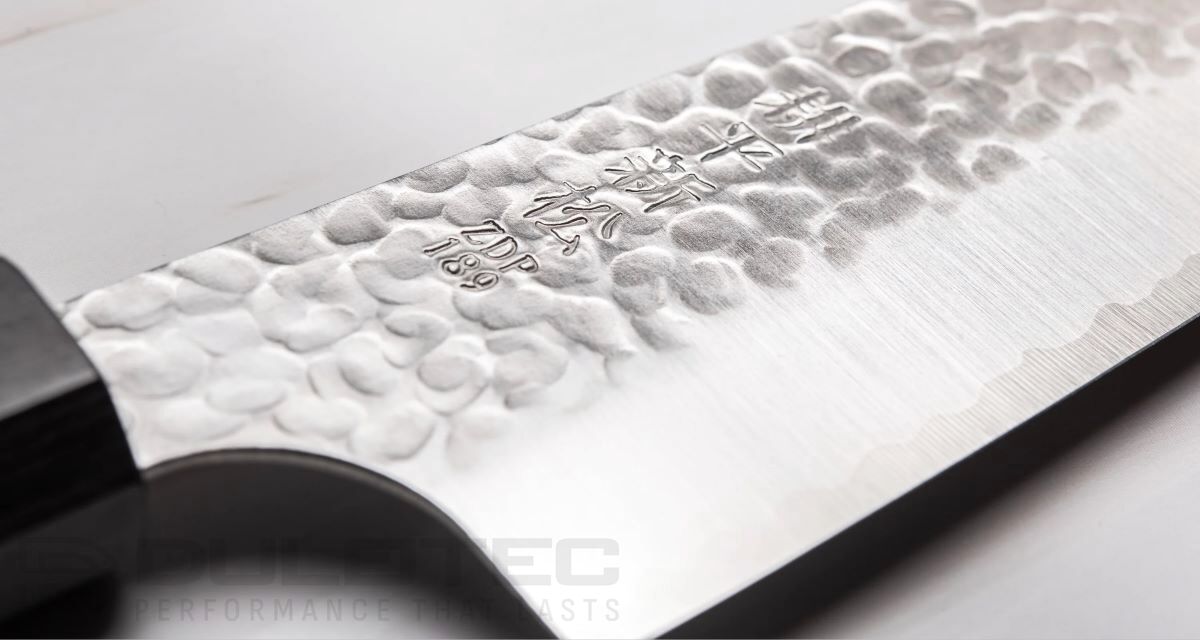
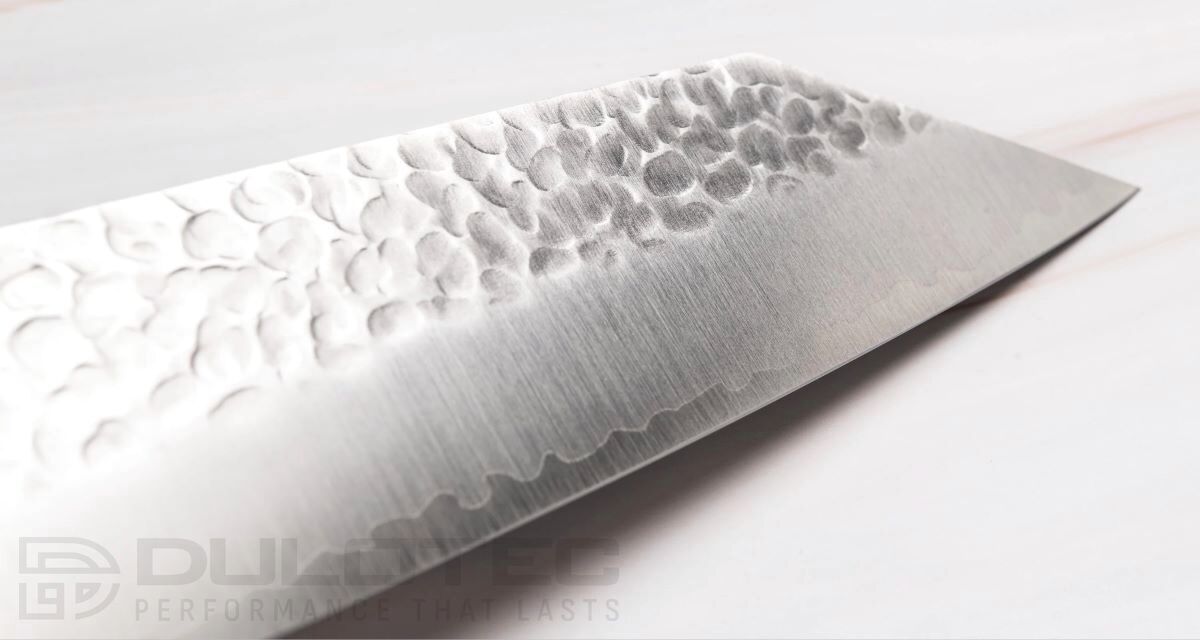
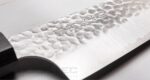
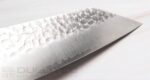
The blade is adorned with fine traces of the forging process—the so-called "tsuchime" finish—which gives each piece its distinctive look and authenticity.
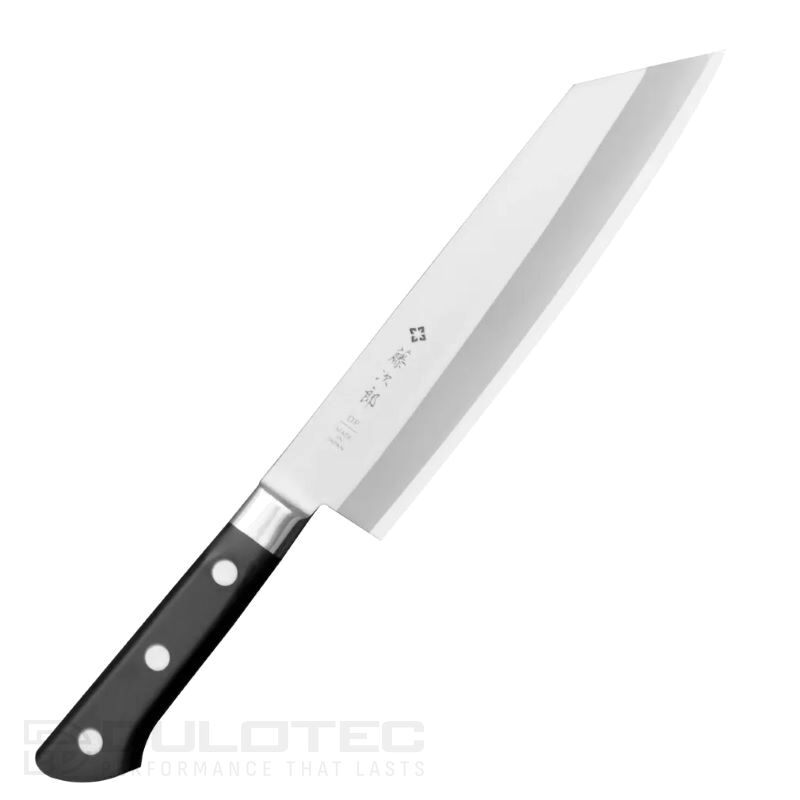
Blade shape – universal Bunka
The Bunka-style knife is widely used in Japanese cuisine. The blade is wide and flat near the handle, with a slightly curved belly, making it suitable for both long and short cuts.
The back of the blade slopes sharply toward the so-called K-Tip—an inverted tanto tip that ensures precision during more delicate work. The knife is suitable for:
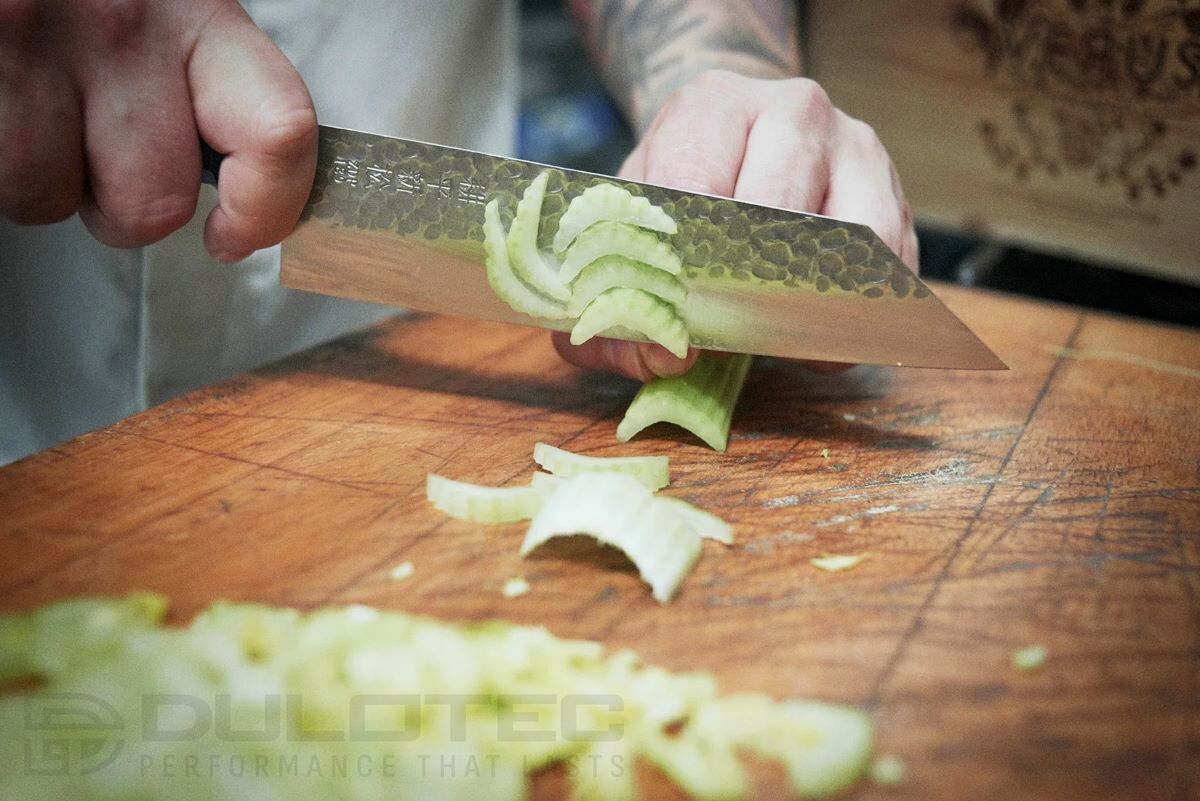
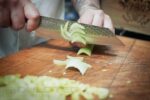
- cutting vegetables
- meat processing
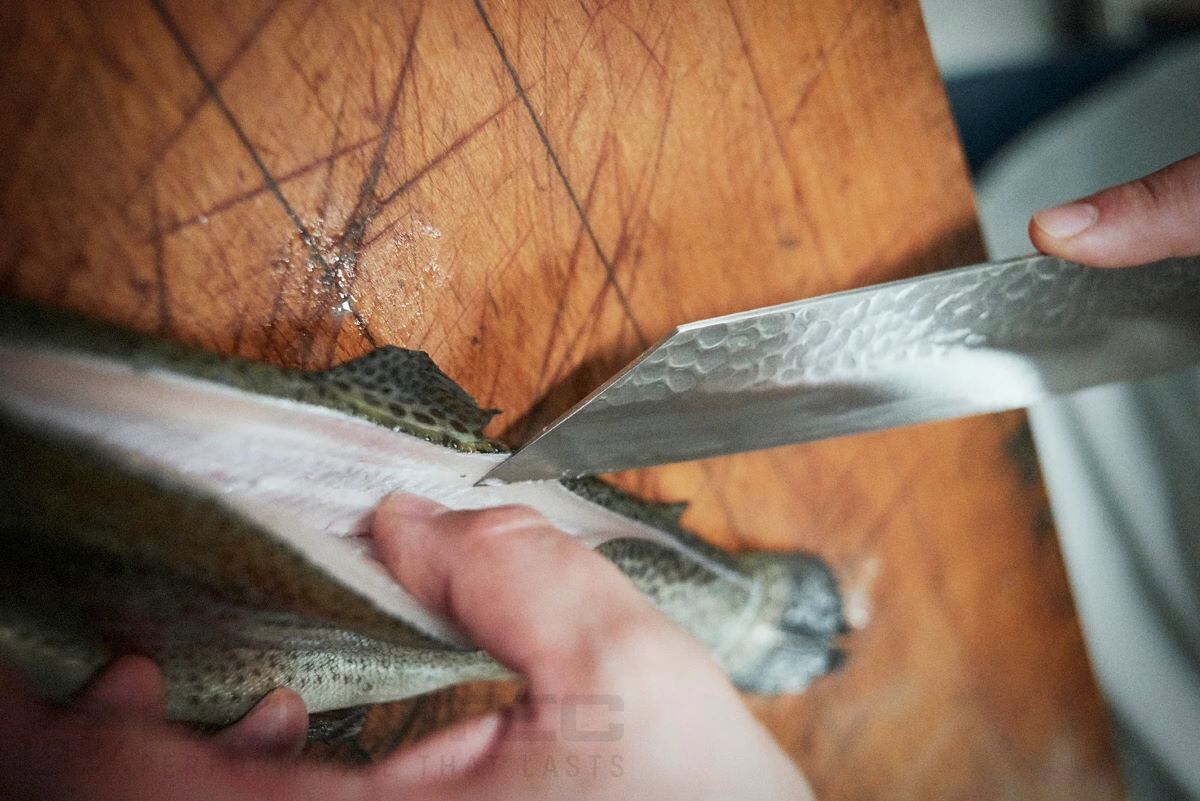
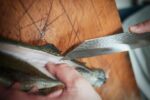
- filleting fish
- precise cuts in hard-to-reach places
ZDP-189 Steel – Hardness and Long-Lasting Sharpness
ZDP-189 is a powder-metalled steel containing approximately 3% carbon and 20% chromium. Its hardness reaches 65–67 HRC on the Rockwell scale, making it one of the hardest steels used in kitchen knife making.
Thanks to its high chromium content, the steel is highly resistant to corrosion. Because of its complex composition, it can be worked only by the most experienced blacksmiths.
San Mai Laminating
The blade uses the San Mai technique—three layers of steel. The hard ZDP-189 core is surrounded by two softer layers, which provide flexibility and reduce the risk of breakage under stress.
Rosewood Handle—Ergonomics and Style
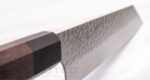
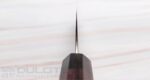
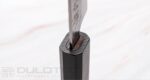
The traditional Japanese handle (Wa) is made of rosewood with a black pakka wood inlay. Its octagonal shape provides a secure grip and is comfortable for both right- and left-handed users.
Knife Specifications
| Specifications | Value |
|---|---|
| Brand | Suncraft |
| Model | Kouhei-Shinmatsu Bunka Silver |
| Category | Japanese Kitchen Knives |
| Steel on the blade | ZDP-189 (powdered steel) |
| Blade Length | 200 mm |
| Total length | 345 mm |
| Blade Height | 47 mm |
| Blade Thickness | 2 mm |
| Handle Length | 127 mm |
| Weight | 155 g |
| Layers of the blade | 3 – San Mai |
| Hardness | 65–67 HRC |
| Handle Material | Rosewood |
| Shape of the handle | Octagonal (Wa) |
| Beveling | Double-sided |
| Country of Origin | Seki, Japan |
| Blacksmith | Suncraft |
Tips for Caring for a Japanese Kitchen Knife
To maintain the knife's sharpness and long-lasting performance, follow these recommendations:
- Use a wooden, plastic, or rubber cutting board.
- Wash and dry the knife by hand after each use.
- Store it in a holder or protective case.
- Use proper cutting technique.
- Sharpen with sharpening stones made of natural or synthetic stone.
Do not do the following:
- Do not leave the knife in the sink or in water.
- Do not wash in the dishwasher.
- Do not use on glass, ceramic, bamboo, marble, or steel surfaces.
- Do not scrape food off with the edge of the blade—use the back of the knife instead.
- Do not use the knife for any purpose other than cutting food.
Kouhei-Shinmatsu knives are handcrafted from natural materials. There may be slight variations in color, texture, and weight—this is characteristic of handcrafted products.
Frequently Asked Questions
What kind of steel is used in the Suncraft Kouhei-Shinmatsu Bunka 200 mm knife?
What does "San Mai" lamination mean in the context of Japanese knives?
What is the "Bunka" style used for in Japanese kitchen knives?
What is the handle of the Suncraft Kouhei-Shinmatsu Bunka made of?
How do I clean and store a Japanese kitchen knife made of ZDP-189?
What is the difference between a Bunka knife and a standard kitchen knife?
Could there be differences between individual copies of *Kouhei-Shinmatsu Bunka*?
| Weight | 0,2 kg |
|---|---|
| Dimensions | 6,0000 cm |

 LED lanterns
 Fishing Lanterns
 Flashlights for Everyday Use / EDC
 Flashlights that run on AA/AAA batteries
 Lantern Accessories
 Long-range lights
 Powerful Flashlights for Wide-Area Lighting
 Powerful headlamps
 Professional Work Lights
 Tactical Flashlights
 Police Flashlights
 Rechargeable lanterns
 Headlamps with AAA batteries
 Professional Headlamps for Work
 Combat knife
 Fixed Blade Knives
 Camping Knife
 Compact
 Folding Knives
 Automatic knives
 Everyday Knives
 Keychain Knife / EDC
 Large Folding Knives
 Hunting Knives
 Kitchen Knives
 Japanese Kitchen Knives
 Knife Accessories
 Tactical Knives




Reviews
Clear filtersThere are no reviews yet.