Rechargeable lanterns
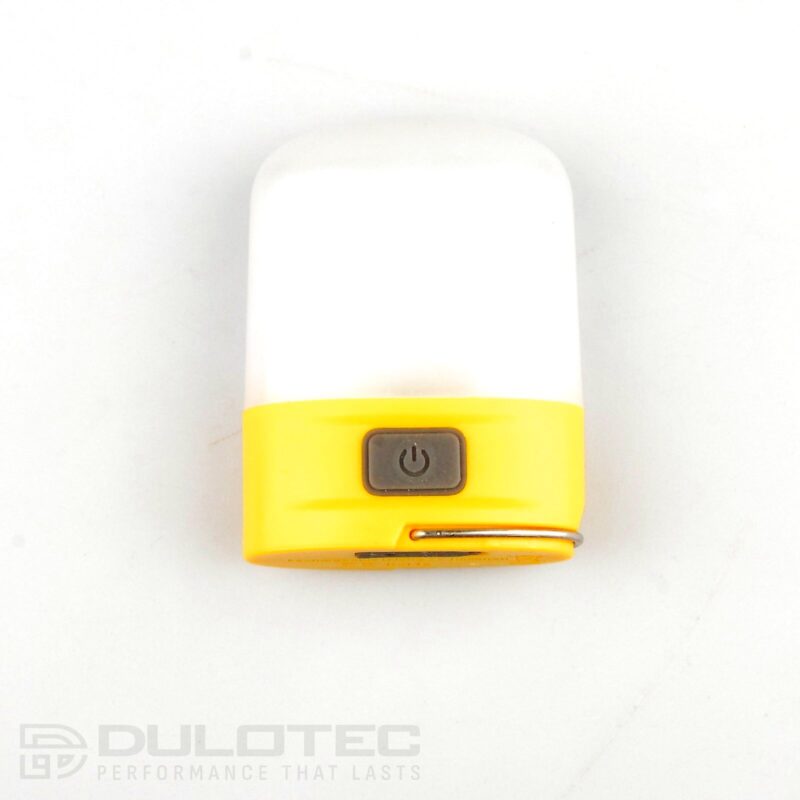
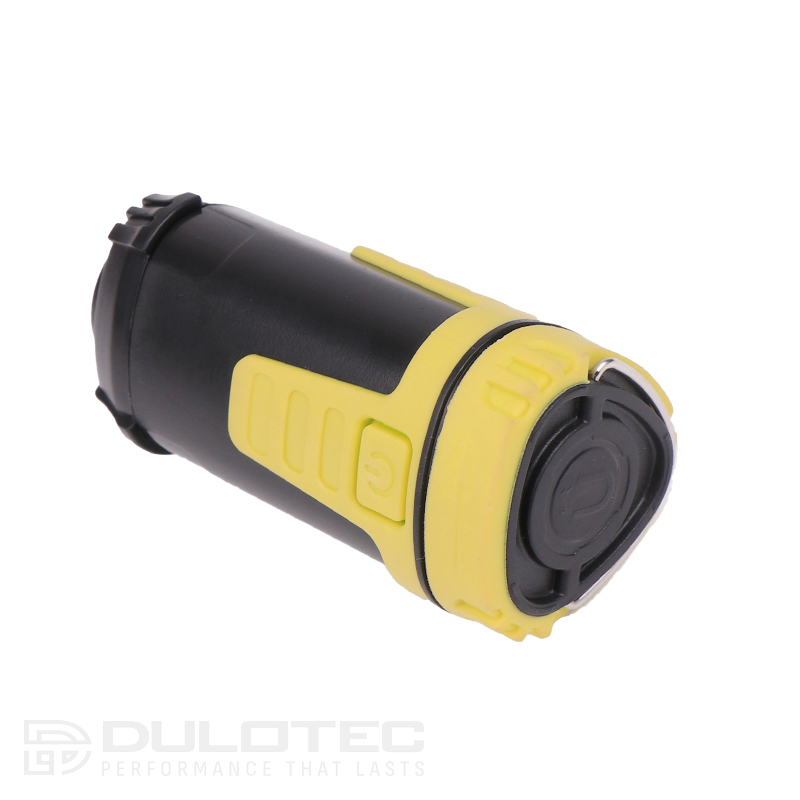
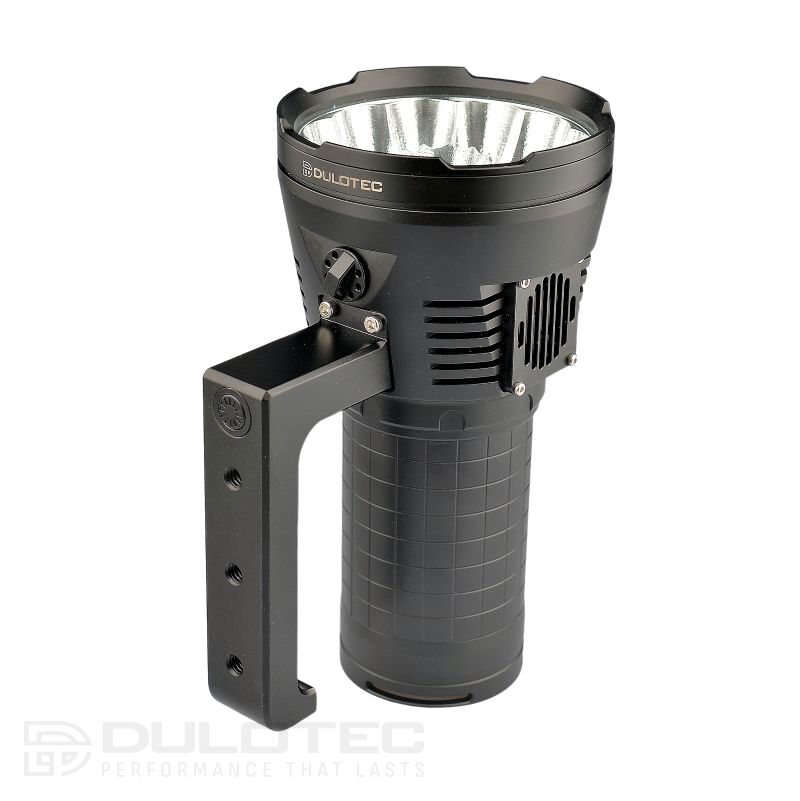
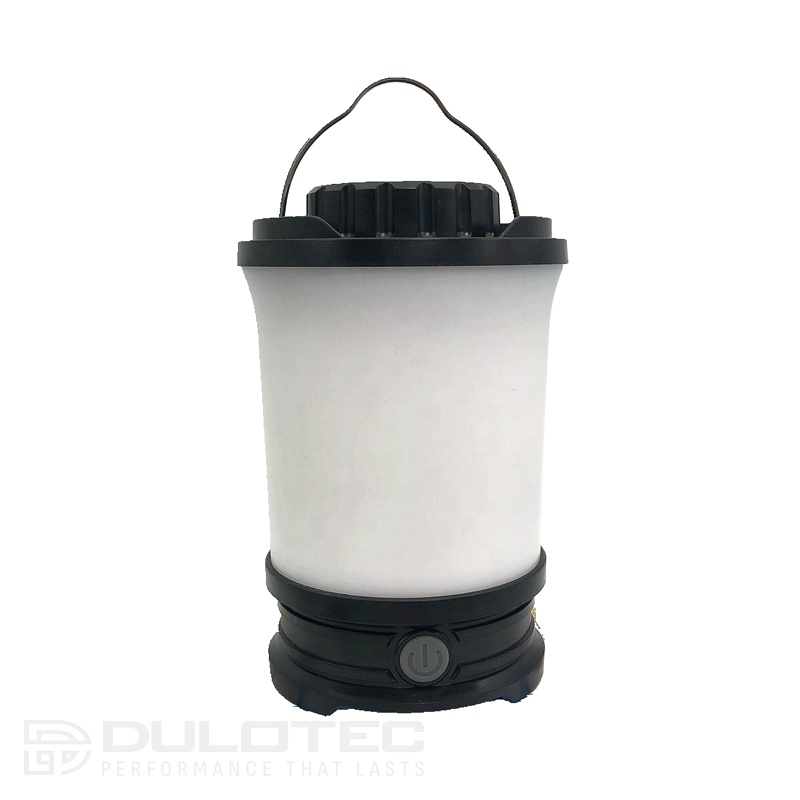
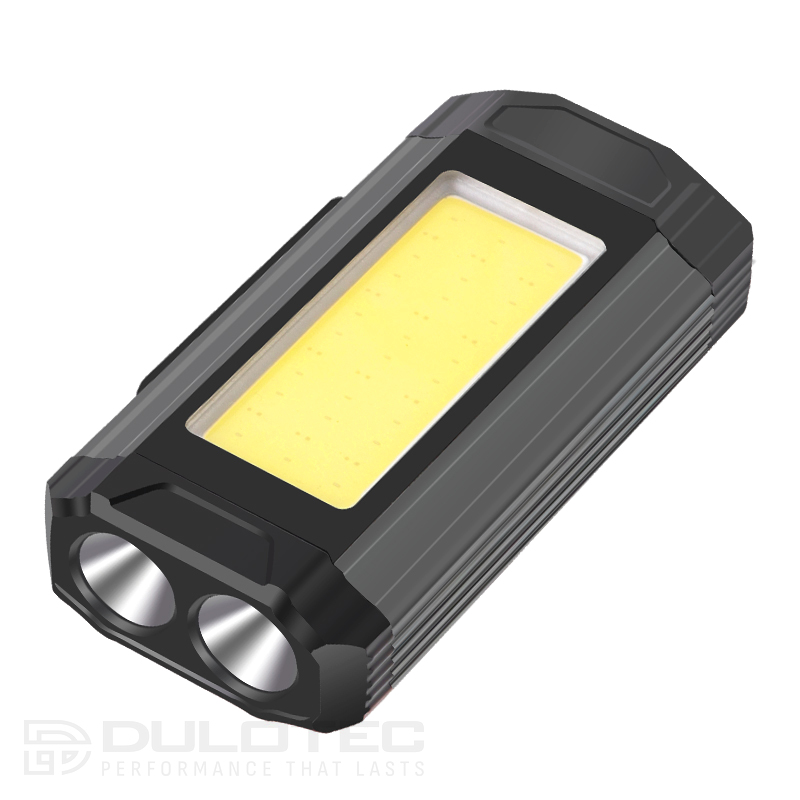
Work Lights—What Types Are Available and How to Choose the Best One
Anyone who has ever done construction, home improvement, auto repair, or painting knows how important good lighting is in the workplace. A regular table lantern rarely does the job in a basement, garage, construction site, or under the hood of a car—that’s where you need a work light designed to withstand impacts, dust, moisture, and hours of continuous use. In this article, we’ll look at the main types of work lights, what each one is used for, and what to look for when choosing a model that will truly serve you well for years to come.
What Is a Work Light and How Is It Different from a Regular Light?
A work light is a portable or stationary light source designed specifically for construction sites, repair shops, studios, and home workshops. It typically features a sturdy housing (often rubberized or made of impact-resistant plastic), protection against dust and moisture (IP rating), a stand or hanging hook, and many models also feature a magnet for attaching to metal surfaces.
The difference between the various models comes down to two factors: the light source (halogen, fluorescent tube, or LED) and the power source (mains or battery). It is precisely the combination of these two parameters that determines what type of work a given lantern is suitable for.
Main Types of Work Lanterns
Classic construction lantern (mains-powered)
The traditional construction lantern plugs directly into an outlet or extension cord and typically provides high and consistent light output. The advantage is that it does not depend on a battery charge and can operate indefinitely as long as a power source is nearby. The disadvantage is limited mobility—the cord gets in the way during certain types of work and is not convenient for sites without electricity.
LED Work Light
The LED work light (also known as an LED work lantern, work LED lantern, or LED work lantern—these are different spellings for the same thing) has now almost completely replaced the old halogen and fluorescent models. The reason is simple: LED work lanterns provide comparable or even brighter illumination while consuming significantly less energy, they don’t get as hot, last many more hours of operation, and rarely require replacement, since LED diodes have a long lifespan. That’s why, when we talk about LED work lanterns today, we’re essentially talking about the industry standard.
Rechargeable Work Light (Battery-Powered Light)
The rechargeable work light—also known as a battery-powered light, rechargeable light, or light with a rechargeable battery—is the solution for any situation where there is no access to an outlet: attics, basements, parking garages, construction sites, and outdoor settings. The rechargeable work light is charged in advance and then operates autonomously from a built-in battery—usually lithium-ion, though NiMH is used in older or less expensive models.
The combination of these two technologies—the rechargeable LED work light—has been the most sought-after type on the market in recent years because it combines the advantages of LED lighting (brightness, durability, low power consumption) with the complete freedom of movement provided by the battery.
Portable Work Light
A portable work light is designed to be easily moved from one location to another—with a handle, a wheeled stand, or a hanging hook. It is useful where the workspace changes frequently: in auto repair shops, during indoor renovations, or on construction sites, where the lighting must follow the worker, not the other way around. A portable LED lantern is typically compact, lightweight, and battery-powered, allowing it to be moved freely without being restricted by a cord.
Magnetic Work Light
Many models, primarily designed for auto repair shops, feature a built-in magnet in the base or on the back of the housing. A magnetic work lantern can be attached directly to a car hood, car body, metal structure, or tool cart, freeing up the mechanic’s hands. This makes it an indispensable portable lantern for auto repair shops—it can be positioned exactly where light is needed without having to be held the entire time.
Work Light
The inspection lantern is a specific type of work light used primarily for finishing construction tasks—such as spackling, sanding, and painting. That’s why it’s also commonly known as a puttying work lantern, puttying lantern, or puttying inspection lantern. Its purpose is not to illuminate the room, but to cast a strong side light onto the wall so that even the smallest irregularities, traces of spackle, or surface defects that remain invisible under normal lighting. This is precisely why professionals specifically ask for a putty inspection lantern rather than just any work lantern—for this type of task, choosing the right angle and intensity of light is critical to the quality of the finishing work.
The same principle of low, high-contrast light is also valuable for a sanding lantern—being able to see every slightly unsanded spot saves hours of rework after painting.
Work Lights for Specific Applications
Work lantern for auto repair shops. Conditions in an auto repair shop are unique—working under a car, in tight spaces, often with greasy or wet hands. That’s why a good portable auto repair shop lantern must be impact-resistant, equipped with a magnet and a hook for hanging, and have a power cord long enough—or sufficient battery capacity—to last an entire shift.
Painting lantern. When painting, the lighting must be uniform and have a warm or neutral color temperature so as not to distort colors while the painter is working. The combination of a rechargeable LED lantern and a height-adjustable tripod allows you to illuminate the wall at the exact angle needed to reveal any imperfections before applying the paint.
Rechargeable Lanterns and Chargers—What to Look For
Rechargeable lanterns (as well as rechargeable LED lanterns, rechargeable work lanterns, and lanterns with rechargeable batteries) differ primarily in three parameters:
- Battery capacity—measured in mAh or Wh, this determines how many hours the light will stay on at a given brightness level when fully charged.
- Charging time—how quickly the battery reaches full capacity; work lights that come with a charger included save on additional costs and ensure compatibility.
- Battery type—lithium-ion batteries are dominant today due to their higher energy density, the absence of a “memory effect,” and a longer lifespan (they withstand a greater number of charge cycles) compared to older technologies.
It’s a good practice to check whether the manufacturer offers a spare battery as an accessory for portable battery-powered lanterns—this effectively doubles the continuous runtime without having to wait for the battery to charge.
How to Choose the Best Work Light—Key Criteria
- Light source—LED is the preferred choice today due to its low power consumption, long lifespan, and brighter light compared to older technologies.
- Power supply—consider whether you primarily work in locations with access to an outlet or if you need autonomy; if conditions vary, a rechargeable LED work light that can also be plugged into the mains is the most flexible solution.
- Impact, dust, and moisture resistance (IP rating)—for construction sites and service workshops, a higher protection rating directly translates to a longer lantern lifespan.
- Weight and ergonomics—especially important for a portable work light that is frequently carried throughout the workday.
- Magnet and hook – frees up your hands when working under a vehicle or structure.
- Brightness and adjustability—for finishing work (spackling, sanding, painting), adjustable brightness and the ability to angle the light beam are useful.
- Package contents—whether the lantern comes with a battery and charger, or if these must be purchased separately; work lanterns that include a charger are more convenient for immediate use.
Comparison Table by Application
| Application | Recommended lantern type | Key Feature |
|---|---|---|
| Construction site without power | Rechargeable LED work light | Long battery life, impact-resistant housing |
| Auto repair shop, working under a car | Portable lantern with magnet and hook | Magnetic base, flexible cable, or lightweight battery |
| Filling and sanding | Inspection lantern for puttying | Low, high-contrast angled light |
| Painting walls | LED lantern on a tripod | Even, neutral light |
| Working in the basement or attic without an outlet | Battery-powered lantern with hanging hook | Compact, easy to position |
| Long-lasting operation in the field | Rechargeable work lantern with charger and spare battery | Ability to swap batteries without interruption |
Recommended models: Fenix work lights and Dulotec headlamps
In addition to the general criteria listed above, it’s helpful to consider specific models that meet the applications listed above. The Fenix brand offers several rechargeable models designed specifically as work lights, while Dulotec (the official Fenix importer for Bulgaria) also offers its own line of headlamps that complement work lights with “on-the-head” lighting for tasks requiring free hands.
Fenix CL28R – rechargeable floodlight with adjustable color temperature
The Fenix CL28R is a dimmable rechargeable floodlight with a built-in power bank, IP66 protection rating (dustproof and rainproof), a built-in magnet in the base, and a tripod mounting thread. A unique feature is its smooth color temperature adjustment from 2700K (warm light) to 6000K (cool white light)—which is precisely why it’s a convenient choice as a painting lantern, where uniform and neutral light is important for accurately perceiving the colors on the wall. The magnet and tripod thread also make it a convenient general-purpose portable work lantern for a construction site or workshop.
Fenix WT16R—Compact Magnetic Work Light for Service Use
The Fenix WT16R is a compact and lightweight (129 g) rechargeable flashlight with an IP66 protection rating, designed specifically as a versatile work light. It features magnets on the back for attaching to metal surfaces and a clip for a belt or pocket, and in addition to a focused beam, it also offers a separate mode for diffused COB work light. This makes it a suitable choice as a service light and a portable auto repair light—it can be attached directly to a car’s hood or body while the mechanic works hands-free.
Fenix WT25R—Industrial Lantern with Rotating Head
The Fenix WT25R is a more powerful model (up to 1,000 lumens) with an aluminum body, an IP66 protection rating, and a head that tilts up to 105°, allowing the light to be directed at various angles—a useful feature for detailed work. It features a magnetic base for attaching to metal surfaces, magnetic charging, and a removable 3,400 mAh lithium-ion battery. Thanks to its ability to precisely direct the beam at an angle, this model is a good choice both as a magnetic work light for auto repair shops and as an additional spot light for inspecting surfaces before painting.
Dulotec Headlamps—Hands-Free for Finishing Work and Installation
A headlamp does not replace a work light, but it is a valuable addition when the task requires complete freedom of movement—for example, when using a work light for spackling in hard-to-reach corners, wiring, installation under a sink, or working under the hood at a repair shop.
- Dulotec H1—a lightweight aluminum headlamp (42 g) with IP66 protection rating, featuring two LEDs and greater range; suitable for illuminating a larger room or ceiling during construction finishing work.
- Dulotec H2—headlamp with white and red light, IP66 protection rating; the red light mode is useful for low-contrast lighting when inspecting details up close without causing glare.
- Dulotec H3—a more powerful model (2,050 lumens, 5 LEDs), IP66 protection rating; suitable when a stronger and wider white light is needed while working in a repair shop or on a construction site.
- Dulotec Spark 700 — a headlamp with a built-in 1,500 mAh battery and IPX6 water resistance, featuring touchless control—a practical solution when your hands are dirty or wet, as is often the case in an auto repair shop.
Which Model for Which Task
| Task | Recommended Model | Why |
|---|---|---|
| Painting lantern | Fenix CL28R | Adjustable color temperature 2700–6000K, IP66, magnet and tripod thread |
| Work light for service shops / auto repair shops | Fenix WT16R | Compact, with magnets for attaching to metal, IP66 |
| Work light with magnet for more precise lighting | Fenix WT25R | Rotating head up to 105°, magnetic base, IP66 |
| Hands-free work in tight spaces (wiring, installation) | Dulotec H1 / Dulotec Spark 700 | Lightweight headlamps, IP66 / IPX6, touchless control on the Spark 700 |
| Close-up inspection without glare (detailed surface inspection) | Dulotec H2 | Red light mode, IP66 |
| Brighter general headlight for use in the workshop or on-site | Dulotec H3 | 2,050 lumens, IP66 |
Practical Recommendations
- Before purchasing, check the actual battery capacity, not just the claimed maximum brightness—both factors together determine how long the light will actually last.
- For outdoor work, choose a model with a higher dust and moisture protection rating (IP54 or higher).
- If you work in a repair shop, a lantern with a magnet and a hanging hook saves real time during every shift.
- For finishing work, invest in a separate inspection light with a low, focused beam—the difference in the quality of your spackling is noticeable.
- For frequent and prolonged tasks, a spare battery is a better investment than a more expensive lantern with a slightly higher capacity.
Frequently Asked Questions
What is the difference between a work light and a regular light? A work light is built to withstand impacts, dust, and moisture and usually features a hook, stand, or magnet for positioning on a construction site or in a workshop.
Which is better—an LED or a halogen work light? LED work lights consume significantly less energy, last many more hours, and don’t get as hot, making them the preferred choice over halogen and fluorescent models.
How long does a rechargeable work light last on a single charge? The runtime depends on the battery capacity and the selected brightness —smaller models last about 2–4 hours at maximum brightness, while more powerful rechargeable lanterns with higher capacity can operate for over 8 hours at a lower setting.
What is the purpose of a putty inspection lantern? A puttying work light casts a low, angled side light onto the wall, revealing fine irregularities and putty marks that remain hidden under normal lighting conditions.
Is a work lantern with a magnet worth it? For auto repair work and work around metal structures—yes, because the magnetic base allows the lantern to be secured where light is needed without tying up the worker’s hands.
What does the IP rating mean for work lanterns? The IP rating indicates the degree of protection against dust and water—the higher the rating, the more resistant the lantern is to operation in dusty or damp environments, such as those typical of construction sites.
Is there a difference between a rechargeable and a portable work light? They are not mutually exclusive—most portable lanterns today are battery-powered precisely because the lack of a cord is what actually allows for easy movement from one location to another.
Are work lights that come with a charger more expensive? Typically, a kit that includes a battery and charger is more convenient and, in practice, more cost-effective than buying the components separately, and it also ensures compatibility between the lantern and the charger.
What level of brightness is needed for a home workshop? For most home and repair tasks, an LED work light with moderate brightness and adjustable settings is sufficient, while more powerful models are better suited for large construction sites.

 LED lanterns
 Fishing Lanterns
 Flashlights for Everyday Use / EDC
 Flashlights that run on AA/AAA batteries
 Lantern Accessories
 Long-range lights
 Powerful Flashlights for Wide-Area Lighting
 Powerful headlamps
 Professional Work Lights
 Tactical Flashlights
 Police Flashlights
 Rechargeable lanterns
 Headlamps with AAA batteries
 Professional Headlamps for Work
 Combat knife
 Fixed Blade Knives
 Camping Knife
 Compact
 Folding Knives
 Automatic knives
 Everyday Knives
 Keychain Knife / EDC
 Large Folding Knives
 Hunting Knives
 Kitchen Knives
 Japanese Kitchen Knives
 Knife Accessories
 Tactical Knives